PCL Reconstruction
Posterior Cruciate Ligament (PCL) reconstruction is a surgical procedure performed to restore stability to the knee by replacing a torn or severely damaged PCL. The PCL is one of the major ligaments in the knee, responsible for preventing excessive backward movement of the shin bone relative to the thigh bone. The procedure typically involves using a graft, which can be taken from the patient’s own body (autograft) or from a donor (allograft), to replace the damaged ligament.
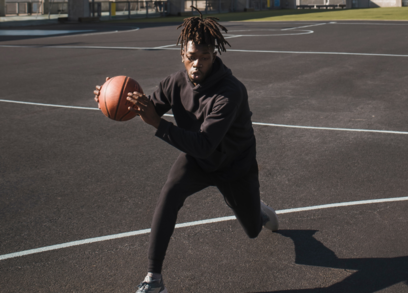
Injuries to the PCL often result from high-impact trauma, such as car accidents or sports injuries. While mild PCL injuries can sometimes heal with conservative treatments, complete tears usually require surgical intervention to prevent long-term knee instability and joint degeneration. By reconstructing the PCL, patients can regain knee function, reduce pain, and prevent further complications such as arthritis or cartilage damage.
Pre-Surgical Preparation:
Before surgery, the patient undergoes a comprehensive evaluation, including MRI scans and physical examinations, to determine the severity of the injury. Physical therapy may be recommended before surgery to strengthen the surrounding muscles and improve range of motion, which can enhance post-surgical recovery. The patient is advised to stop taking certain medications that may increase the risk of bleeding and follow fasting guidelines before the procedure. Surgeons often educate patients on the expected recovery timeline and rehabilitation process to ensure they are mentally prepared. Maintaining a healthy diet and hydration levels before surgery can improve overall healing and reduce post-operative complications. Additionally, patients are encouraged to make home modifications, such as securing a comfortable resting space and ensuring minimal movement is required in the initial days of recovery.
The Surgical Procedure:
PCL reconstruction is performed under general or regional anesthesia. The surgeon makes small incisions around the knee and inserts an arthroscope, a small camera that provides a clear view of the damaged ligament and surrounding structures. The torn PCL is carefully removed, and a new graft is inserted through tunnels drilled into the thigh and shin bones, secured using screws or other fixation devices. The graft, commonly sourced from the hamstring, patellar tendon, or quadriceps tendon, gradually integrates with the surrounding tissue over time. Precise placement of the graft is essential to restore proper knee mechanics and prevent complications. Once the procedure is completed, the incisions are closed with sutures, and a sterile bandage is applied to minimize the risk of infection.
Immediate Post-Surgical Care:
After surgery, the knee is wrapped in a bandage, and a brace is often applied to keep the joint stable. Patients are advised to keep the leg elevated and apply ice packs to reduce swelling and discomfort. Pain management is achieved through prescribed medications, including anti-inflammatory drugs and pain relievers. In the first few days, it is crucial to avoid excessive movement and weight-bearing activities to prevent strain on the newly reconstructed ligament. Some patients may be prescribed blood-thinning medication or compression devices to minimize the risk of deep vein thrombosis (DVT). Following the surgeon’s instructions closely during this stage ensures a smoother transition into rehabilitation and prevents complications such as excessive swelling or stiffness.
Early Rehabilitation
The initial phase of rehabilitation focuses on reducing swelling, improving knee flexibility, and activating key muscle groups to support stability. The patient begins gentle range-of-motion exercises under the supervision of a physiotherapist, with a strong emphasis on quadriceps activation and controlled knee movements. Strength-building exercises are introduced gradually, and the use of crutches is progressively reduced based on weight-bearing tolerance. Physiotherapists often implement techniques such as passive stretching and neuromuscular stimulation to aid in muscle re-education. Consistency in following rehabilitation protocols is key to avoiding stiffness and promoting optimal healing. Adherence to post-operative exercises also helps restore knee function while minimizing the risk of complications.
Intermediate Recovery
As the patient progresses, more advanced strengthening exercises and proprioception (balance) training are incorporated into the rehabilitation program. The focus shifts to enhancing knee stability, improving coordination, and restoring normal walking patterns. Low-impact activities such as stationary cycling and aquatic therapy are often recommended to promote joint mobility while minimizing stress on the knee. Regular follow-ups with the surgeon and physiotherapist ensure that healing is progressing as expected and adjustments to the rehabilitation plan are made if necessary. By this stage, many patients experience improved confidence in their knee function, allowing them to engage in daily activities more comfortably. It is essential to listen to the body and report any persistent pain or swelling to avoid setbacks in recovery.
Advanced Recovery and Return to Sport
During this stage, the patient focuses on regaining full knee strength, agility, and endurance. More intensive exercises, including squats, lunges, plyometric drills, and sports-specific training, are introduced to prepare for a return to physical activities. Running and light jogging may be permitted after three to four months, but high-impact movements such as jumping and cutting motions are avoided until the knee is fully stabilized. Functional assessments, such as hop tests or agility drills, help determine the readiness to return to high-demand activities. Close monitoring by physiotherapists ensures that the patient does not push beyond their limits, reducing the risk of re-injury. A gradual return-to-play protocol is followed to ensure the knee can handle the demands of sports and strenuous activities safely.
Full Recovery and Return to Normal Activities
Complete recovery from PCL reconstruction typically takes six to twelve months, depending on individual progress and rehabilitation adherence. Athletes may require additional training before returning to competitive sports, including sport-specific drills and strength conditioning. Regular follow-ups with the surgeon and physiotherapist help track progress and address any concerns regarding knee function. Some individuals may benefit from ongoing strength training to maintain knee stability and prevent future ligament injuries. Psychological readiness is also considered, as fear of re-injury can impact performance and confidence in movement. With the right rehabilitation plan and commitment to recovery, most patients regain full function and return to their normal activities without limitations.