Rotator Cuff Repair
Rotator cuff repair is a surgical procedure performed to fix a torn rotator cuff, a group of four muscles and tendons that stabilize the shoulder joint and facilitate arm movements. Rotator cuff tears can occur due to acute injuries, repetitive overhead activities, or age-related degeneration. This condition often leads to shoulder pain, weakness, and difficulty performing everyday tasks such as lifting objects or reaching overhead.
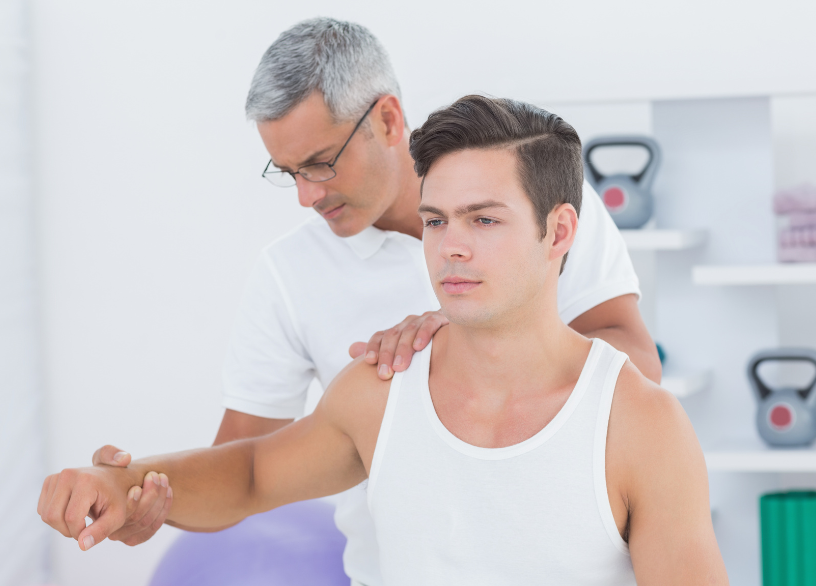
If left untreated, a rotator cuff tear can worsen over time, leading to persistent pain, reduced mobility, and even arthritis. Rotator cuff repair restores shoulder function, reduces pain, and prevents further joint damage, allowing individuals to regain strength and mobility.
Pre-Surgical Preparation:
Before surgery, the patient undergoes a thorough evaluation, including MRI or ultrasound scans, to assess the severity and location of the tear. Physical therapy may be recommended before surgery to strengthen the surrounding shoulder muscles and improve joint stability, which can aid in post-surgical recovery. Patients are advised to avoid blood-thinning medications, such as aspirin and NSAIDs, and to follow fasting guidelines before the procedure. Surgeons also educate patients about post-operative care, including pain management, rehabilitation expectations, and activity restrictions. Preparing the home environment by setting up essentials within easy reach can help minimize strain on the healing shoulder. Maintaining a balanced diet rich in proteins and vitamins before surgery supports tissue healing and overall recovery.
The Surgical Procedure
Rotator cuff repair is typically performed arthroscopically under general or regional anesthesia. The surgeon makes small incisions around the shoulder and inserts an arthroscope (a small camera) to visualize the torn tendon and surrounding structures. Using specialized instruments, the torn tendon is reattached to the bone using sutures and small anchors, ensuring proper stabilization. The procedure usually takes between one to two hours, depending on the size and complexity of the tear. Arthroscopic techniques minimize tissue damage, reduce post-operative pain, and promote faster recovery compared to open surgery. After completing the repair, the incisions are closed with sutures, and a sterile dressing is applied to protect the surgical site.
Immediate Post-Surgical Care
Following surgery, the shoulder is immobilized using a sling to protect the repaired tendon and allow proper healing. Patients are advised to keep the arm in a stable position, avoid sudden movements, and apply ice packs to reduce swelling and discomfort. Pain management includes prescribed medications, and sleeping in a reclined position may be recommended to prevent strain on the shoulder. The initial healing phase is crucial for preventing complications such as excessive stiffness or re-tearing of the tendon. Patients should strictly follow post-operative care instructions, including proper hygiene to prevent infections at the incision sites. Some individuals may also receive blood clot prevention measures, such as gentle arm exercises or compression therapy, depending on their risk factors.
Early Rehabilitation
The first phase of rehabilitation focuses on passive range-of-motion exercises to maintain shoulder flexibility and prevent stiffness. Physical therapy begins within the first few weeks, with the therapist guiding the patient through gentle arm movements without engaging the shoulder muscles. Strengthening exercises are avoided during this phase to prevent excessive stress on the healing tendon. Patients are encouraged to follow a structured rehabilitation plan to promote healing and gradually regain mobility. Regular follow-ups with the surgeon ensure that the tendon is healing correctly and that there are no complications. Adherence to early rehabilitation protocols significantly improves long-term shoulder function and reduces the risk of stiffness.
Intermediate Recovery
During this phase, patients begin active-assisted exercises to improve shoulder mobility and function. Gradual strength-building exercises are introduced, focusing on the rotator cuff and surrounding shoulder muscles. Low-impact activities such as stationary cycling or walking may be encouraged to maintain overall fitness while avoiding excessive strain on the shoulder. Physiotherapists monitor the patient’s progress and adjust the rehabilitation program based on their recovery rate. Patients are advised to avoid heavy lifting or sudden overhead movements to prevent re-injury. Continued strengthening and mobility exercises help restore normal shoulder function and prepare for more advanced rehabilitation.
Advanced Recovery and Return to Sport
As the patient progresses, more intensive strengthening and functional training exercises are introduced. Resistance training, sport-specific drills, and controlled overhead movements help prepare the shoulder for higher levels of physical activity. Gradual reintroduction to weightlifting, swimming, or throwing motions is done under supervision to ensure safe progress. A return-to-sport assessment, including strength and functional movement tests, may be conducted to determine if the shoulder is ready for full activity. Psychological readiness is also addressed, as some patients may experience apprehension about reinjury. Proper conditioning and gradual exposure to high-impact movements help rebuild confidence and prevent future tendon damage.
Full Recovery and Return to Normal Activities
Complete recovery from rotator cuff repair can take four to six months, depending on individual progress and rehabilitation adherence. Athletes may require additional sports-specific training before returning to full competition. Regular follow-ups with the surgeon and physiotherapist help monitor progress and address any lingering concerns. Long-term shoulder health can be maintained by continuing strength training and flexibility exercises even after recovery. Some patients may benefit from wearing a shoulder brace during high-risk activities to provide additional support. With proper rehabilitation and care, most individuals regain full shoulder function and return to their normal routines without limitations.